

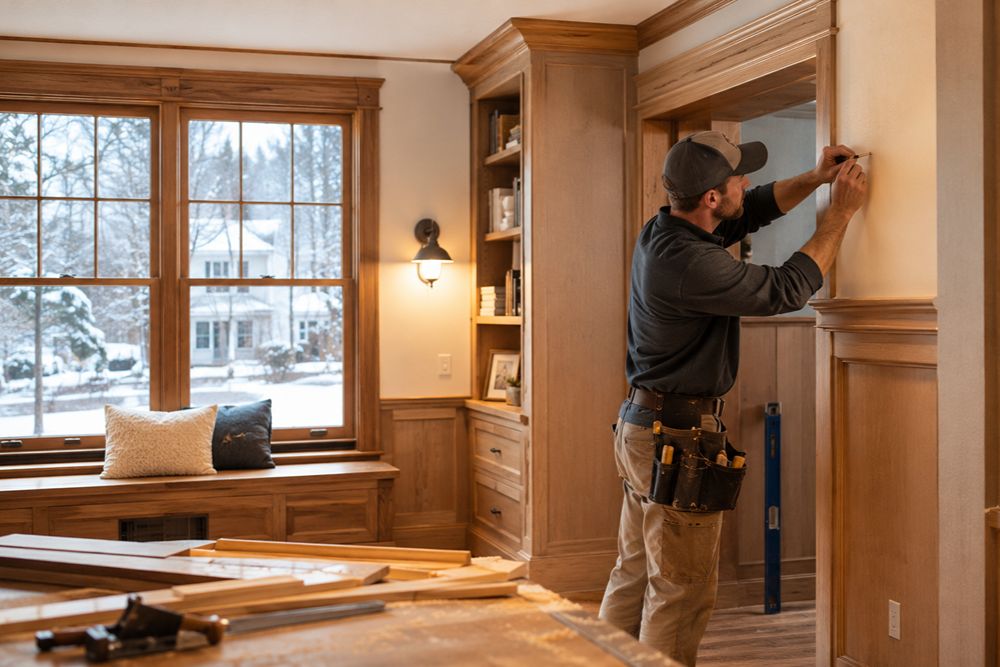
When people think about improving their homes, they often picture a new deck, updated siding, replacement windows, or a fresh coat of paint. But many of these improvements are connected to a broader field of construction and craftsmanship: carpentry.
Carpentry plays an important role in how homes are built, maintained, and improved. It involves much more than cutting and assembling wood. Depending on the project, carpentry can include building structural components, installing doors and windows, creating finished details, and improving the functionality of residential spaces.
Whether you’re planning a renovation, maintaining an older property, or exploring ideas for your next home improvement project, understanding carpentry can help you make more informed decisions.
In this guide, we’ll explain what carpentry is, explore its main types, discuss common residential carpentry projects, and look at how professional craftsmanship can make a difference in your home.
What Is Carpentry?
Carpentry is a skilled trade focused on constructing, installing, repairing, and modifying structures and components using wood and other building materials.
Carpenters use measurements, construction plans, specialized tools, and practical knowledge to turn materials into functional parts of buildings. Their work can range from building structural frameworks to installing detailed finishing elements.
In residential construction, carpentry contributes to many parts of a home, including:
Walls, floors, and roof frameworks
Door and window frames
Interior and exterior trim
Decks and outdoor structures
Stairs, railings, and other architectural features
Cabinets and built-in components
Some carpentry projects are essential to a building’s structure, while others focus on appearance, functionality, and finishing details.
The type of work required depends on the home’s condition, the homeowner’s goals, and the scope of the project.
What Does a Carpenter Do?
A carpenter works with different materials and construction techniques to build, install, repair, or modify components of a property.
The specific responsibilities depend on the carpenter’s specialization and the type of project.
Common carpentry tasks include:
Measuring and cutting construction materials
Reading construction plans and project specifications
Building and assembling wooden structures
Installing doors, windows, and trim
Repairing damaged components
Constructing decks and other outdoor structures
Making adjustments to improve fit and functionality
Inspecting completed work for accuracy and quality
Carpenters also need problem-solving skills. Homes have different layouts, dimensions, materials, and construction characteristics, so each project may require a different approach.
Precision is especially important. Accurate measurements, proper installation, and attention to detail all contribute to the quality and performance of the finished work.
What Are the Main Types of Carpentry?
Carpentry covers several specialties, each serving a different purpose in construction and home improvement.
Understanding these categories can help homeowners recognize the type of professional work their projects may require.
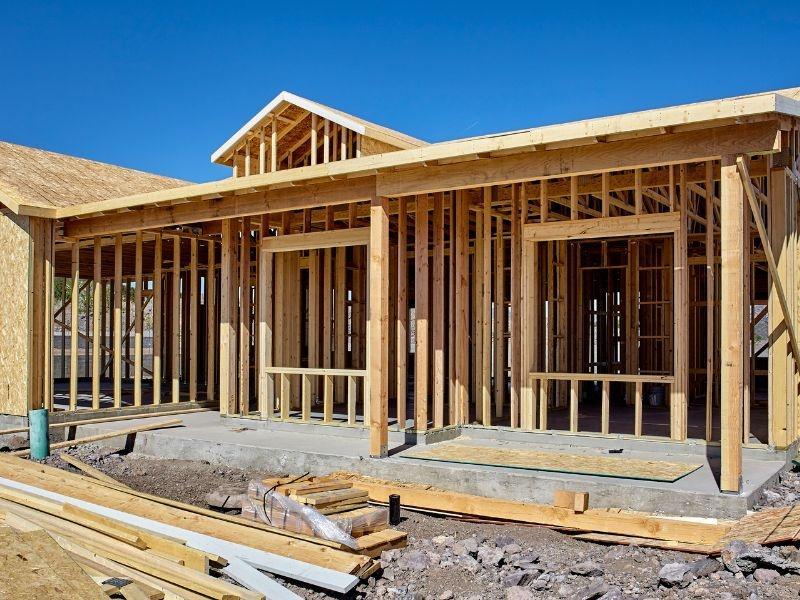
1. Rough Carpentry
Rough carpentry focuses on the structural components that form the framework of a building.
This work generally takes place during the earlier stages of construction, before many of the finished surfaces and decorative elements are installed.
Examples include:
Wall framing
Floor joists and subflooring
Roof framing and rafters
Structural supports
Sheathing and other framework components
Rough carpentry provides the structural foundation for many residential construction projects.
Because these components support the building and influence its stability, proper measurements, materials, and installation techniques are essential.
2. Finish Carpentry
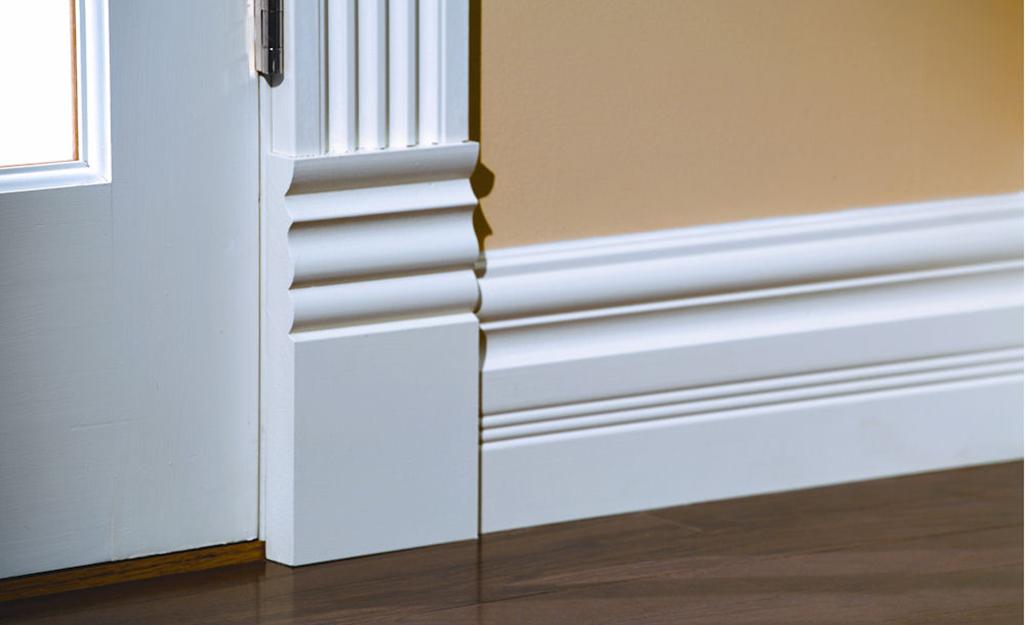
Finish carpentry focuses on the visible details that help complete a building’s interior or exterior.
Unlike rough carpentry, which concentrates on structural frameworks, finish carpentry requires careful attention to appearance, alignment, and precise installation.
Common examples include:
Baseboards and crown molding
Door and window trim
Decorative woodwork
Interior finishing details
Stair components and railings
Built-in features
Finish carpentry can make a noticeable difference in the overall appearance of a room.
Even small details, such as properly aligned trim or carefully installed molding, can help create a more polished and cohesive space.
3. Residential Carpentry
Residential carpentry involves construction, installation, repairs, and improvements performed on houses and other residential properties.
It can include both structural and finishing work, depending on the project’s requirements.
Homeowners may encounter residential carpentry during:
Home renovations
Room additions
Door and window projects
Deck construction
Interior improvements
Exterior upgrades
General property maintenance
Residential projects often require solutions that consider the home’s existing structure, architectural style, materials, and the homeowner’s priorities.
4. Exterior Carpentry
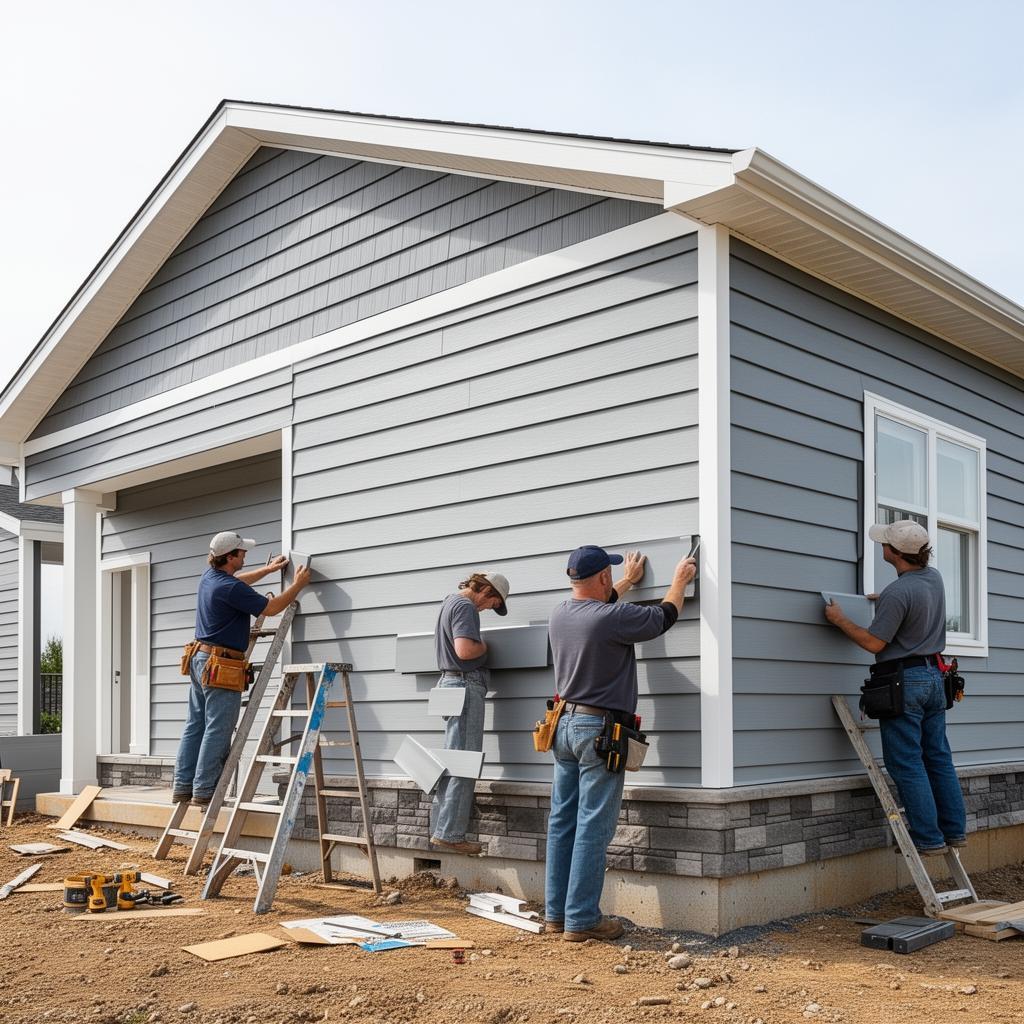
Exterior carpentry involves work performed on the outside of a home, including structures and components exposed to changing weather conditions.
Depending on the project, this may include:
Deck construction
Exterior trim installation
Porches and railings
Exterior wood features
Repairs to exterior structures
Exterior projects require careful material selection and installation practices because outdoor components are exposed to moisture, sunlight, temperature changes, and seasonal weather.
In regions such as New England, these considerations are particularly important when planning exterior home improvements.
Common Carpentry and Home Improvement Projects
Carpentry is connected to many improvements homeowners make throughout the life of a property.
Some projects focus on functionality, while others improve appearance, comfort, or the way outdoor spaces are used.
Here are several common areas of residential home improvement.
Siding Installation and Replacement
Siding is an important part of a home’s exterior. It contributes to curb appeal and helps protect exterior walls from environmental exposure.
Replacing old or damaged siding can give a property a refreshed appearance while addressing issues associated with aging exterior materials.
Homeowners considering a siding project may want to evaluate:
The current condition of the existing siding
Available siding materials
Maintenance requirements
Color and style options
Installation requirements
The home’s architectural design
Choosing suitable materials and ensuring proper installation are important parts of a successful siding project.
If you’re considering an exterior upgrade, explore our siding installation and replacement services.
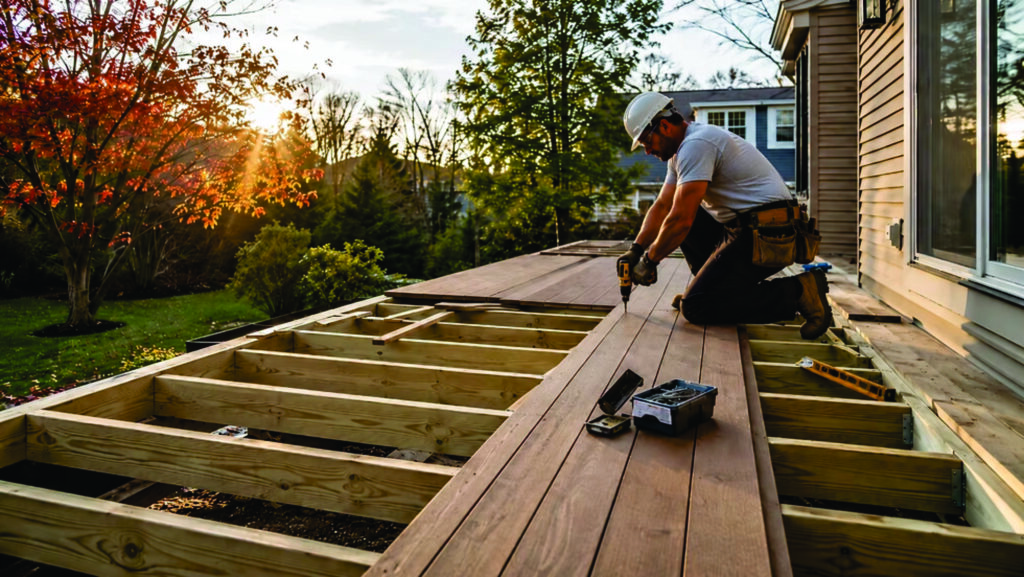
Deck Construction and Installation
A deck can create additional outdoor living space and make a backyard more functional.
Depending on the property’s layout, homeowners may choose a deck for relaxing, entertaining guests, dining outdoors, or simply enjoying their outdoor surroundings.
Common deck considerations include:
Deck size and layout
Wood, composite, or PVC materials
Railing and stair design
Access from the house
Maintenance requirements
The intended use of the space
A well-planned deck should complement the home and fit the available outdoor area.
Explore our deck installation services to learn more about residential deck projects.
Window and Door Installation
Windows and doors influence a home’s appearance, functionality, natural lighting, and overall comfort.
Over time, existing units may become difficult to operate, develop visible damage, or allow unwanted drafts.
Replacing outdated windows and doors can help homeowners address these concerns while updating the appearance of their properties.
Important considerations include:
Correct measurements
Proper product selection
Compatibility with the existing opening
Installation quality
Weather sealing
Interior and exterior finishing
Professional installation is important because even high-quality products can perform poorly if they are not installed correctly.
Interior and Exterior Painting
Painting is another important part of maintaining and improving a home.
Interior painting can refresh living spaces, update colors, and create a different atmosphere throughout the house.
Exterior painting can renew the appearance of a property and help maintain painted surfaces when the correct preparation and products are used.
A painting project may involve:
Surface cleaning and preparation
Repairing minor surface imperfections
Priming where necessary
Selecting appropriate paint products
Applying consistent coats
Finishing trim, doors, and other details
Preparation is one of the most important stages of a quality painting project. The condition of the surface and the products selected can influence the final appearance and durability.
Why Is Quality Craftsmanship Important in Home Improvement?
The quality of a home improvement project depends on more than the materials used.
Planning, measurements, preparation, installation techniques, and finishing details all contribute to the final result.
Poorly executed work can lead to problems such as uneven finishes, improper alignment, gaps, and premature material deterioration.
Quality craftsmanship helps address these details from the beginning.
Here are a few reasons why workmanship matters.
Accurate Measurements and Proper Installation
Materials need to fit the intended space and be installed according to the requirements of the product and project.
Accurate measurements help reduce unnecessary adjustments and contribute to a cleaner finished result.
Attention to Detail
Small details can have a significant impact on the appearance and functionality of a home improvement project.
Trim alignment, consistent spacing, clean edges, and properly finished transitions all contribute to the overall quality of the work.
Suitable Materials for the Project
Different materials have different characteristics, maintenance requirements, and installation considerations.
Selecting materials based on the property’s needs and the project’s purpose can help homeowners make better long-term decisions.
Planning and Communication
Understanding the project scope before work begins helps establish expectations.
Homeowners should know what work is included, which materials are being considered, and what the next steps will involve.
How Does New England Weather Affect Residential Carpentry?
Homes in New England experience a wide range of seasonal conditions.
Cold winters, snow, rain, humidity, and summer heat can all affect exterior building materials and residential structures.
For homeowners in Massachusetts, understanding these conditions is important when planning exterior improvements.
Some areas that deserve attention include:
Siding: Exterior siding is exposed to moisture, temperature changes, and seasonal weather. Material condition and proper installation are important considerations.
Decks: Outdoor decks experience sunlight, rain, snow, and temperature fluctuations. Material selection and regular maintenance can influence their long-term condition.
Windows and doors: Proper installation and weather sealing are important for helping reduce unwanted air leakage and moisture intrusion.
Exterior paint: Surface preparation and selecting products appropriate for the material and exposure conditions can help maintain a consistent finish.
Not every home requires the same improvements. The best approach is to evaluate the property’s condition and determine which areas need attention.
How to Know When Your Home Needs Professional Carpentry or Home Improvement Work
Some home improvement projects are planned because homeowners want to update their properties. Others become necessary when materials begin showing signs of deterioration.
Recognizing these signs can help you address problems before they become more extensive.
Consider having your home evaluated if you notice:
Loose, cracked, or deteriorating exterior materials
Damaged siding or visible gaps
Deck boards that are deteriorating or feel unstable
Windows or doors that are difficult to open and close
Noticeable drafts around windows and doors
Peeling or deteriorating exterior paint
Damaged trim or other finishing components
These signs do not automatically mean a complete replacement is necessary. The appropriate solution depends on the condition of the materials and the underlying cause of the problem.
A qualified professional can help assess the situation and discuss possible repair or improvement options.
How to Choose the Right Professional for Your Home Improvement Project
Choosing a professional is an important step in any residential improvement project.
Before moving forward, take time to understand the contractor’s experience, the proposed scope of work, and the materials being considered.
Here are a few factors worth evaluating:
1. Relevant Project Experience
Look for experience with the specific type of work you need. A contractor who regularly handles siding projects may have different expertise from someone specializing in interior trim or structural framing.
2. Clear Estimates
A written estimate should help you understand the proposed work, materials, and other relevant project details.
3. Communication
Choose a professional who listens to your concerns, answers questions, and explains the project process clearly.
4. Examples of Previous Work
Photographs of completed projects can help you evaluate workmanship and understand the contractor’s experience.
5. Customer Feedback
Reviews from previous customers can provide useful insight into their experiences with communication, professionalism, and completed work.
Taking these steps can help you make a more informed decision and establish realistic expectations before your project begins.
Final Thoughts: Carpentry Is an Important Part of Maintaining and Improving Your Home
Carpentry is a broad trade that contributes to the construction, functionality, appearance, and maintenance of residential properties.
From structural frameworks and finishing details to exterior improvements and outdoor structures, different types of carpentry and related home improvement work help homeowners adapt their properties to their needs.
Understanding the basics of carpentry can make it easier to identify potential improvements, evaluate project requirements, and choose the right professional for the job.
Whether you’re considering new siding, a custom deck, updated windows and doors, or a fresh coat of paint, thoughtful planning and quality workmanship can make a meaningful difference.
At JBL Carpentry, we help homeowners in Marlborough, MA, and surrounding communities explore residential home improvement solutions. If you’re planning an upcoming project, we’d be happy to discuss your ideas and help you understand the next steps.
Ready to improve your home? Contact JBL Carpentry to discuss your project and request an estimate.
